In a busy medical office, people walk through the doors every day with one expectation: a clean, safe environment where their health is protected—not put at risk. For medical offices in Plano, that expectation is even more important as the city continues to grow and serve more patients from across North Dallas.
But “clean” in a medical office doesn’t mean the same thing as “clean” in a standard office building.
A healthcare space needs specialized cleaning standards that go beyond basic dusting, trash removal, and restroom care. It requires trained teams, hospital-grade products, infection-control protocols, and strict attention to detail. This is where a professional provider like Legacy Business Services makes a real difference.
In this article, we’ll walk through why medical offices in Plano need specialized cleaning, what those standards look like, and how the right cleaning partner helps protect patients, staff, and the reputation of your practice.
Medical Offices Aren’t “Just Another Commercial Space”
On the surface, a medical office might look similar to a professional office: there’s a lobby, waiting area, front desk, hallways, restrooms, and staff areas. But the way these spaces are used is completely different.
Patients often arrive:
-
Sick or symptomatic
-
Immunocompromised
-
Recovering from surgery or treatment
-
Accompanied by children or older adults
That means the risk of exposure to germs is much higher than in a standard business environment.
According to the CDC, healthcare-associated infections (HAIs) affect hundreds of thousands of patients each year in the U.S., and many are linked to environmental contamination when surfaces aren’t properly disinfected. While hospitals get the most attention, outpatient and ambulatory care settings—like medical offices and clinics—also play a significant role in infection control.
So even if your Plano practice isn’t a hospital, you still need healthcare-level cleaning practices.
General Office Cleaning vs. Medical Office Cleaning
A regular office cleaning program usually focuses on:
-
Emptying trash
-
Vacuuming and mopping
-
Basic restroom cleaning
-
Dusting visible surfaces
In a medical office, that’s just the starting point.
Medical office cleaning needs to:
-
Disinfect, not just “wipe down,” high-touch surfaces
-
Follow EPA and CDC guidance for selecting disinfectants in healthcare environments
-
Use proper dwell times so disinfectants actually kill pathogens
-
Follow OSHA standards for handling bloodborne pathogens and bodily fluids
-
Support HIPAA-related privacy and security when cleaning sensitive areas and documents
A general janitorial team with no healthcare training may leave a medical office looking neat, but not necessarily safe. That’s why specialized standards and training matter.
High-Touch Surfaces: Small Areas, Big Impact
Medical offices are full of high-touch surfaces that can carry germs from one person to another if they’re not properly disinfected. These include:
-
Door handles
-
Check-in counters and pens
-
Waiting room chairs and armrests
-
Light switches
-
Restroom fixtures
-
Exam room chairs and beds
-
Cabinet handles and drawer pulls
-
Medical equipment controls
-
Tablets, keyboards, and touchscreens
Studies have shown that pathogens like MRSA, C. difficile, and influenza can survive on surfaces for hours to days if they’re not disinfected correctly. That means a contaminated door handle in the morning can pose a risk to patients later in the day.
Specialized medical cleaning protocols prioritize these high-touch areas and ensure they get disinfected using the right products and techniques.
Infection Control Requires Healthcare-Level Products and Protocols
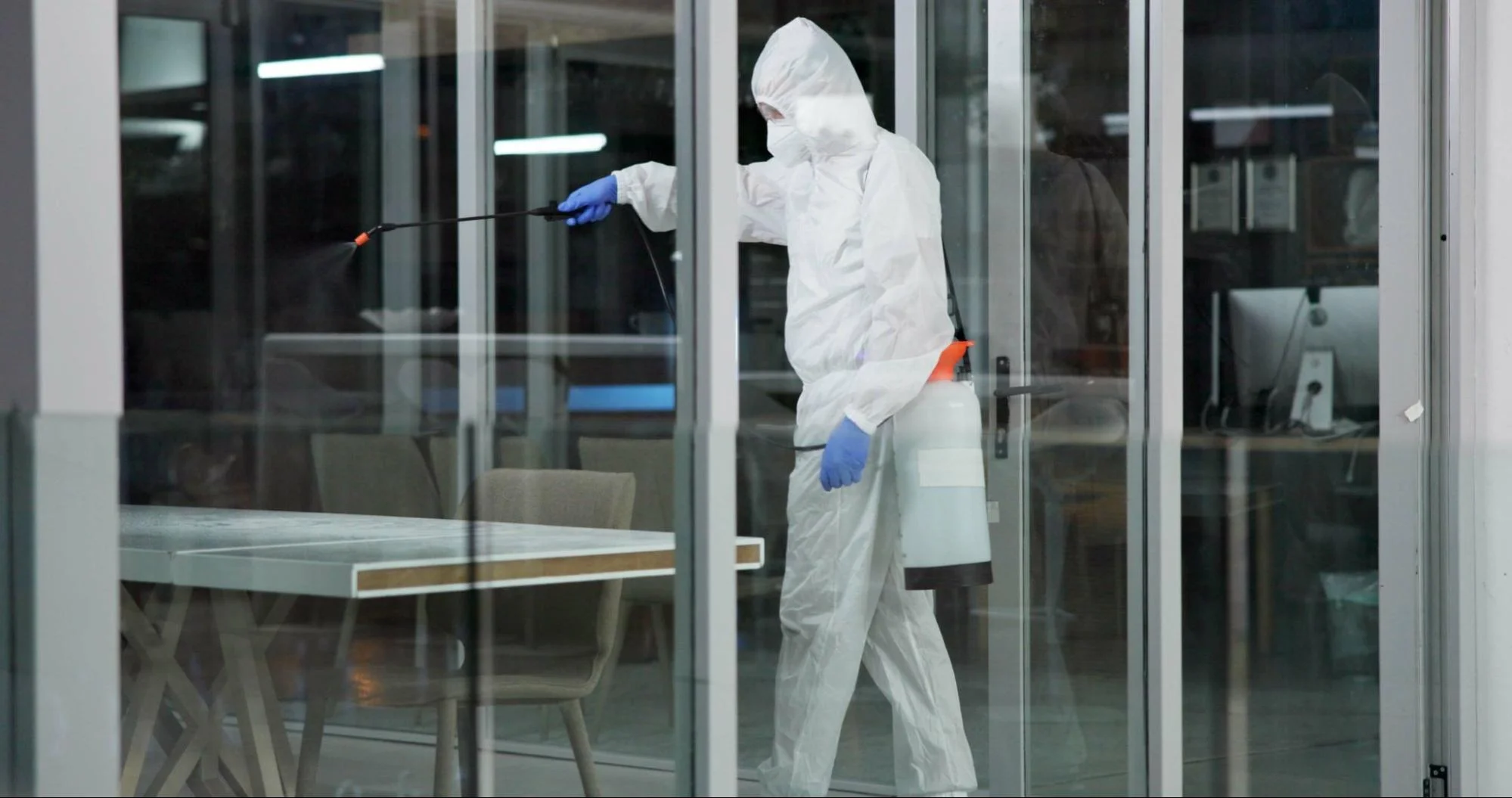
Not all cleaning chemicals are created equal—and not all of them are appropriate for a medical office.
A practice in Plano needs cleaning products that:
-
Are EPA-registered disinfectants appropriate for healthcare use
-
Target specific organisms relevant to medical environments
-
Are used according to manufacturer instructions and healthcare guidelines
Equally important are the protocols used:
-
Clean first, then disinfect
-
Use fresh microfiber cloths or wipes to reduce cross-contamination
-
Follow color-coding systems for restrooms, exam rooms, and public areas
-
Respect dwell times so disinfectants remain wet long enough to work
Specialized cleaning standards ensure that disinfection is meaningful—not just a quick spray-and-wipe that looks good but doesn’t actually kill germs.
Compliance With OSHA, CDC, and Healthcare Standards
Medical offices operate under regulations and expectations that typical offices do not.
A specialized medical cleaning program supports:
- OSHA’s Bloodborne Pathogens Standard** **
Proper handling and cleanup of blood and bodily fluids
-
Use of PPE (gloves, masks, sometimes gowns)
-
Safe handling of sharps containers and biohazard bags
-
CDC infection prevention guidelines for outpatient settings** **
Environmental cleaning that supports infection control
-
Focused disinfection of patient care areas and equipment
-
HIPAA considerations** **
Respect for patient privacy when cleaning charts, desks, or workstations
- Awareness around computers, files, and medical records
When you hire a commercial cleaning provider that actually understands these rules, you reduce risk, protect your staff, and show regulators and patients that you take safety seriously.
Different Areas of a Medical Office Require Different Approaches
One of the reasons medical offices need specialized standards is that every part of the space serves a different purpose—and carries a different level of risk.
Waiting Areas and Lobbies
-
High foot traffic
-
Shared seating
-
Kids, families, and symptomatic patients
-
Magazines, toys, door handles, and counters often touched by many people
These areas require frequent disinfection of high-touch points and attention to air quality and cleanliness to help reduce exposure.
Exam Rooms
-
Direct patient contact
-
Exposure to bodily fluids or contaminated materials
-
Shared tools and equipment between visits
Exam rooms need strict cleaning between patients as well as regular, more detailed disinfection to control pathogens on all surfaces, including exam tables, chairs, counters, and equipment surfaces.
Restrooms
-
High risk for contamination
-
Need for EPA-registered disinfectants
-
Proper cleaning sequence and tool separation
Restrooms in medical offices must be treated more like restrooms in a hospital than like those in a standard office building.
Staff and Administrative Areas
Even though these aren’t patient-facing areas, they still require proper cleaning. Staff can unintentionally carry germs from patient zones into offices, break rooms, and nurses’ stations if those spaces are neglected.
Protecting Patients With Higher Health Risks
Many people visiting a medical office are already vulnerable:
-
Older adults
-
Patients with chronic diseases
-
Cancer patients in treatment
-
Individuals with weakened immune systems
-
Pregnant women and infants
For these patients, exposure to environmental pathogens can lead to complications that go far beyond a simple cold. Specialized cleaning standards help reduce environmental risks so that the medical care they receive is not undermined by preventable exposure.
When facilities in Plano take cleaning seriously, they aren’t just protecting their brand—they’re protecting people who may not be able to protect themselves.
Supporting a Better Experience for Patients and Families
Cleanliness isn’t just about germs—it’s also about trust.
When patients walk into a spotless medical office, they feel more confident in the care they’re about to receive. A clean environment sends a strong message:
-
This practice is organized
-
This team pays attention to detail
-
Safety and hygiene are a priority
On the other hand, dusty vents, dirty floors, or stained chairs can plant doubt in a patient’s mind—even if the medical care is excellent.
Specialized cleaning standards help Plano medical offices present themselves as professional, safe, and dependable from the moment someone steps through the door.
Reducing Staff Sick Days and Burnout
Medical professionals and support staff spend long hours in patient care environments. If surfaces and spaces aren’t cleaned properly, staff are at greater risk of picking up and spreading illnesses.
When you invest in specialized medical office cleaning, you help:
-
Reduce exposure to pathogens for your team
-
Create a more pleasant workspace
-
Decrease the burden of doctors, nurses, and office staff doing their own “extra cleaning”
That can lead to fewer sick days, less burnout, and a more focused clinical team.
Why DIY or Generic Cleaning Isn’t Enough
Some practices try to cut costs by assigning cleaning tasks to staff or hiring a general office cleaning provider that doesn’t specialize in medical settings. On paper, it might look like a savings—but it often creates hidden risks.
Common issues include:
-
Using household cleaners instead of healthcare-grade disinfectants
-
Skipping high-touch surfaces or not cleaning them often enough
-
Incorrect dwell times that make disinfectants less effective
-
No training on cross-contamination and infection control
-
Inconsistent cleaning quality from visit to visit
The cost of a healthcare-associated infection, regulatory issue, or damaged reputation far outweighs the cost of hiring a professional team that understands how to clean a medical office the right way.
How Legacy Business Services Supports Medical Offices in Plano
Legacy Business Services is built around the idea that your facility’s cleanliness reflects your legacy as a business and as a healthcare provider. For medical offices in Plano and across North Dallas, that means delivering specialized cleaning services designed specifically for healthcare environments.
Our medical office cleaning programs include:
-
Trained teams familiar with healthcare protocols
-
Use of hospital-grade disinfectants approved for medical spaces
-
Focused cleaning of exam rooms, waiting areas, restrooms, and high-touch surfaces
-
Attention to OSHA, CDC, and privacy expectations
-
Flexible scheduling for early morning, daytime, or after-hours service
We don’t treat a medical office like just another commercial account. We recognize the higher stakes and tailor our processes to match.
Choose a Cleaning Partner That Protects Your Patients and Your Legacy
Your medical office is more than a workplace—it’s a place where people trust you with their health. That trust starts the moment they see and feel how clean and safe your environment is.
Legacy Business Services provides the specialized cleaning standards Plano medical offices need to protect patients, support staff, and maintain regulatory confidence. As one of the leading providers of Commercial Cleaning & Maintenance in North Dallas, we deliver consistent, results-driven cleaning solutions designed around your facility’s needs.
Want a cleaning partner that understands healthcare—not just housekeeping?
Call (214) 287-0390 today to learn how Legacy Business Services can support your medical office with professional, compliant, and dependable cleaning.